After a long period of inactivity on the blog, I am resuming posting—hopefully more frequently than before—with two short articles on mindfulness and creativity.
At the beginning of the 20th century, Marcel Proust wrote that “The real voyage of discovery consists not in seeking new landscapes, but in having new eyes.” Decades later, with the introduction of mindfulness in the West, a growing body of studies and essays on the benefits of mindful awareness in nature photography has done nothing but confirm the lucidity of the French writer’s insight.
When we are able to observe without judging, to look at our surroundings calmly, to capture the everyday life with a fresh perspective and to maintain full sensory awareness, our creativity expands and we begin to produce more personal images, less conditioned by fashions and passing trends.
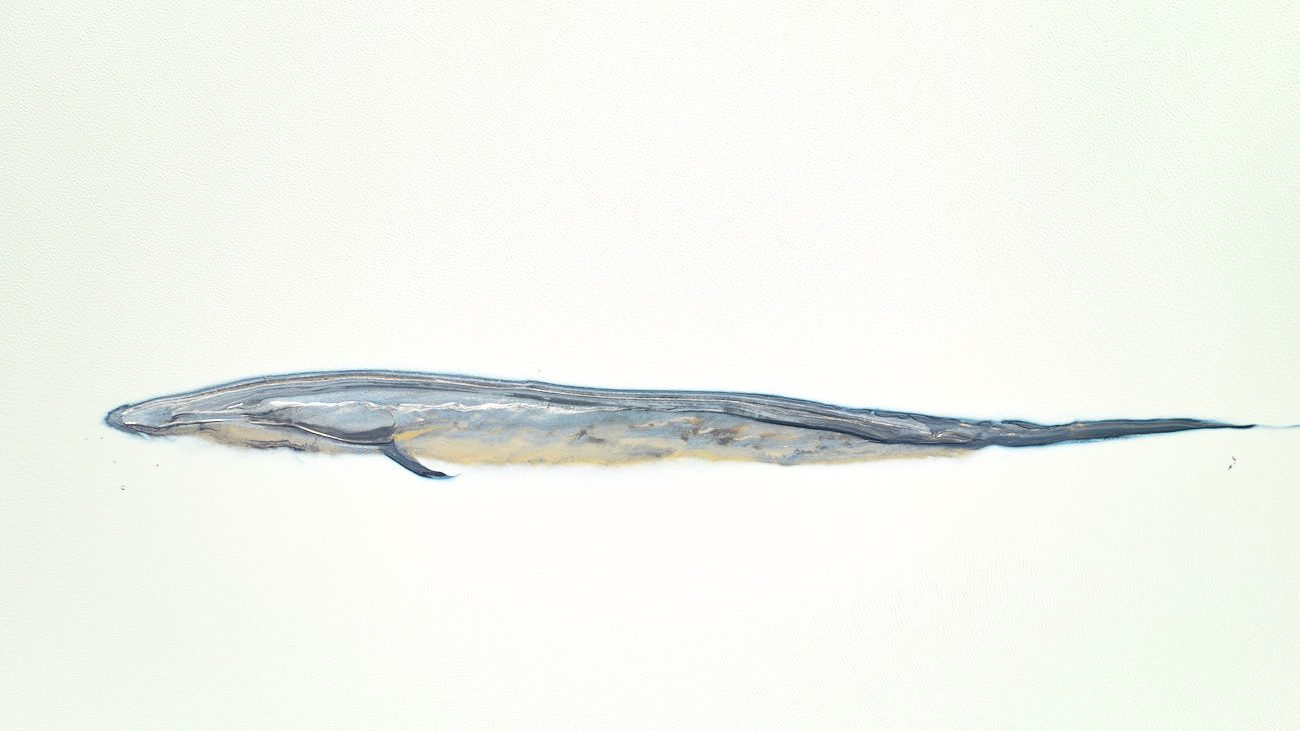
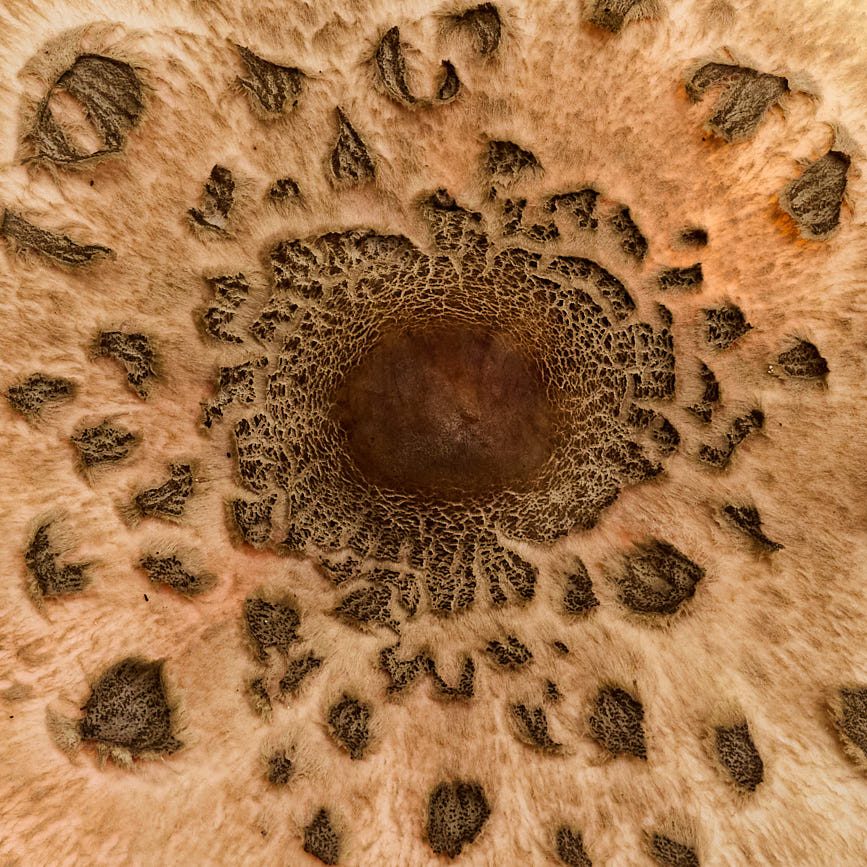
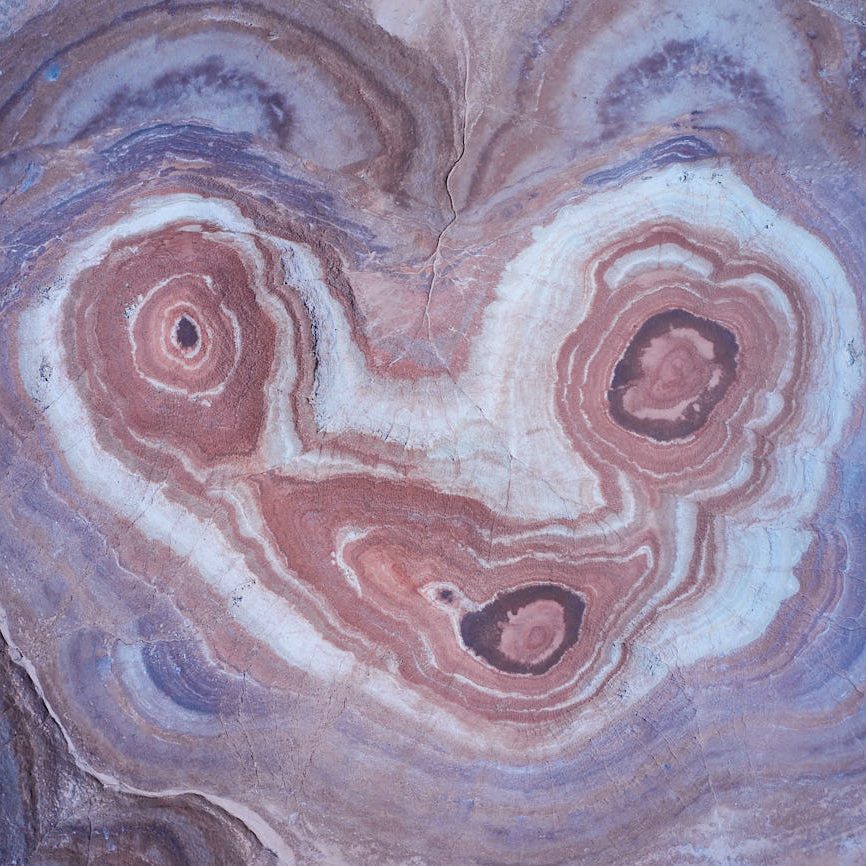
Creativity —essential in any artistic discipline, including photography— only appears when we practice consistently: as Picasso reminded us, “Inspiration exists, but it has to find you working,” and that work is not limited to going out into the field to take pictures, but also involves seeking inspiration in other arts and, above all, exploring our inner world.
It is worth remembering that creativity is not a gift reserved for a few especially talented photographers, but a capacity that all of us can develop. Each person does so in their own way, to the extent that they allow themselves to experiment, persevere, and make mistakes. The fear of failure —of not coming back with “the shot”— and laziness are common obstacles, and this is where the practice of mindfulness can become a valuable support, as it helps us recognize these inner barriers and continue photographing, exploring, and learning, even when the results are not fully satisfying.
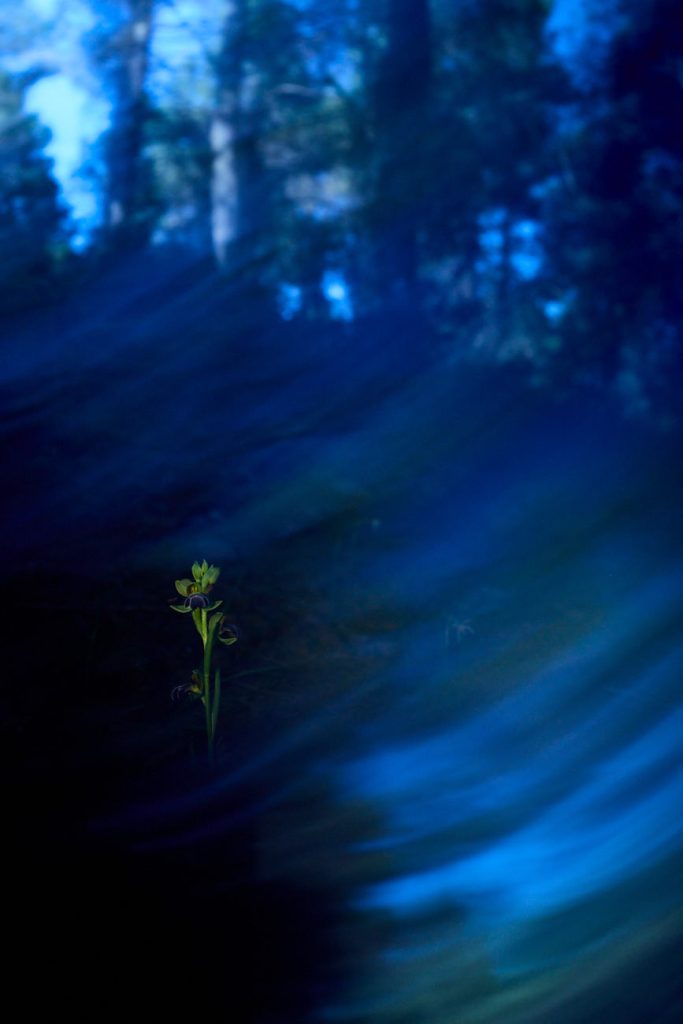
Oprys dyris. One shot with ICM technique.
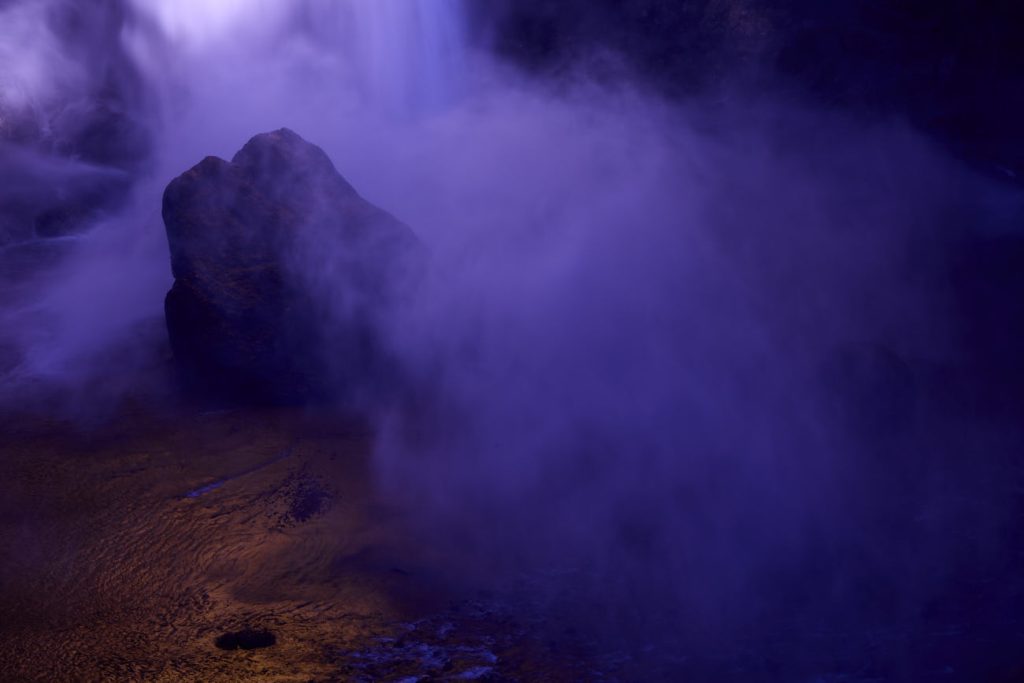
American photographer Jerry Uelsmann expressed it clearly: “Constant creativity and innovation are essential to combat visual mediocrity.” In nature photography, this involves more than traveling far or chasing spectacular locations. It means returning to the same places again and again, noticing how they change or how they seemingly do not, and training a curious and open gaze. Many times, the best photographs are born from learning to see in a new way what we already know.
Thank you very much for your time, and I hope it has been of interest to you.
P.S.: In the next blog post I will continue developing these ideas as applied to macro and close-up photography, where attention to detail and patience literally invite us to discover an entire universe within a few centimeters.
Javier Lafuente