In our previous post, we explored how practicing mindfulness can help nature photographers clear their minds of distractions and mental barriers. In this post, we turn our attention to macro, or close-up, photography—and how immersing yourself in this discipline can become a meditation in itself, creating a virtuous circle of attention and creativity.
Close-up photography has a unique advantage within nature photography: it gives you a high level of control over your scene and composition. You can choose the direction of light, adjust your distance from the subject, fine-tune the framing with small shifts, or decide whether to introduce artificial lighting. This freedom opens up endless creative possibilities.
Yet, this very freedom comes with an interesting paradox: the more options we have, the easier it is to become scattered. Close-up photography encourages the opposite—it asks us to choose intentionally, simplify, and look deeper. In this process of reduction, our attention sharpens, becoming more clear and sustained, allowing us to connect more profoundly with our subject and the moment.
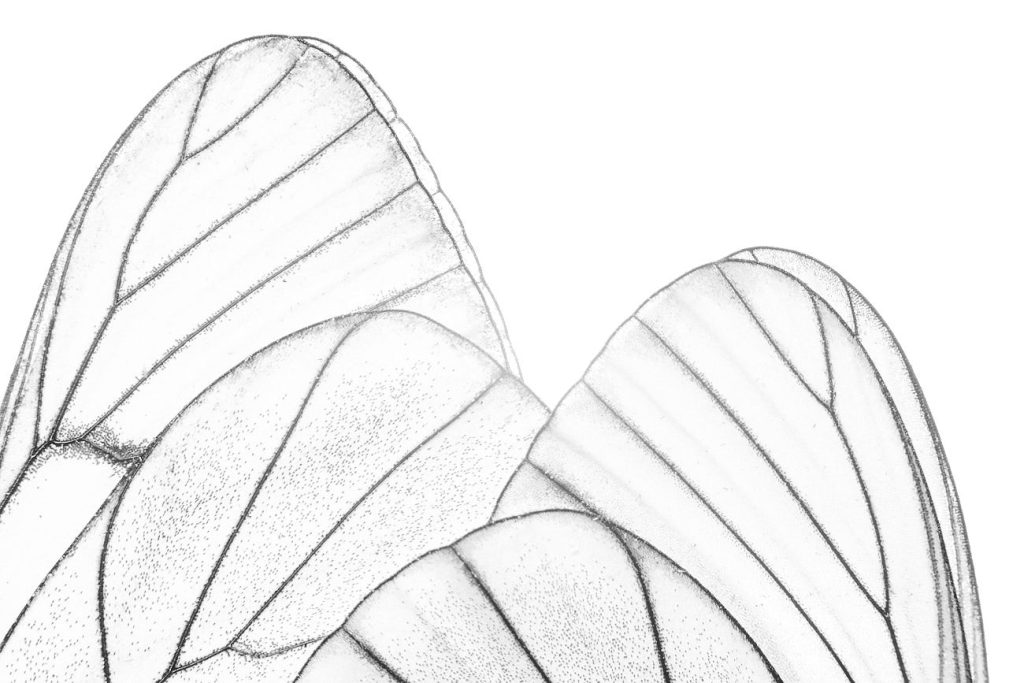
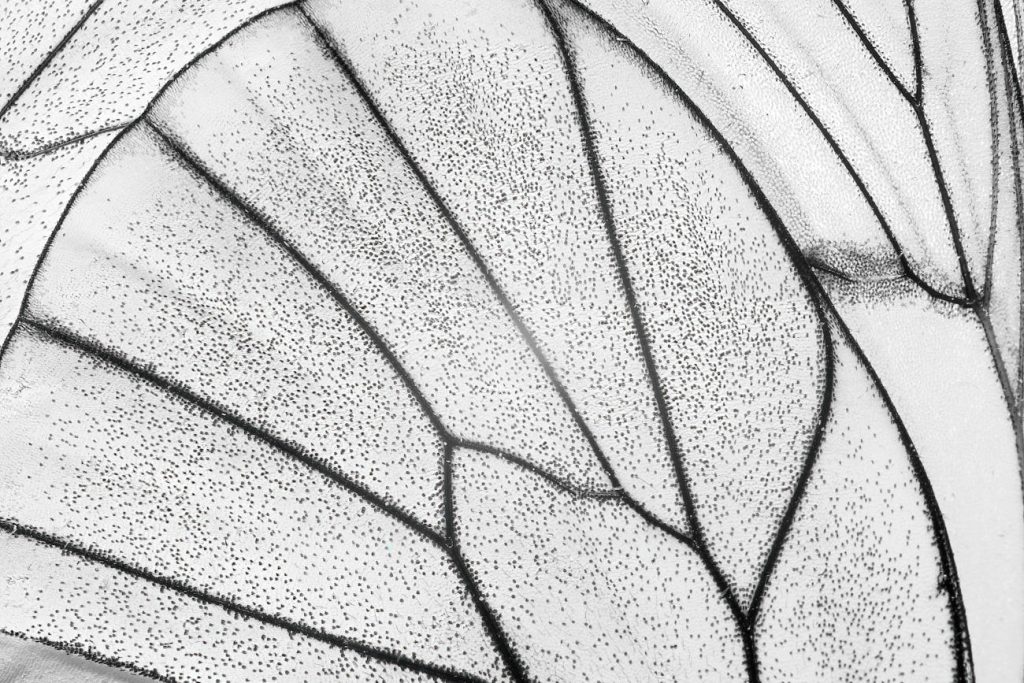
Macro photography narrows our field of view, leaving us with small fragments of the surrounding natural world. This shift in scale demands presence. You cannot photograph up close in a rush. The depth of field is minimal, focusing, or blurring, requires precision, and even the slightest movement can alter the scene. All of this forces us to pause.
And this is where something interesting happens.
When we are truly absorbed in an image—adjusting the composition, observing how the light falls on the subject, waiting for the right moment—our minds stop wandering. During that time, we stop thinking about everyday problems, and all that exists is the scene and our connection to it. Sometimes we look up and realize that an hour has passed almost unnoticed.
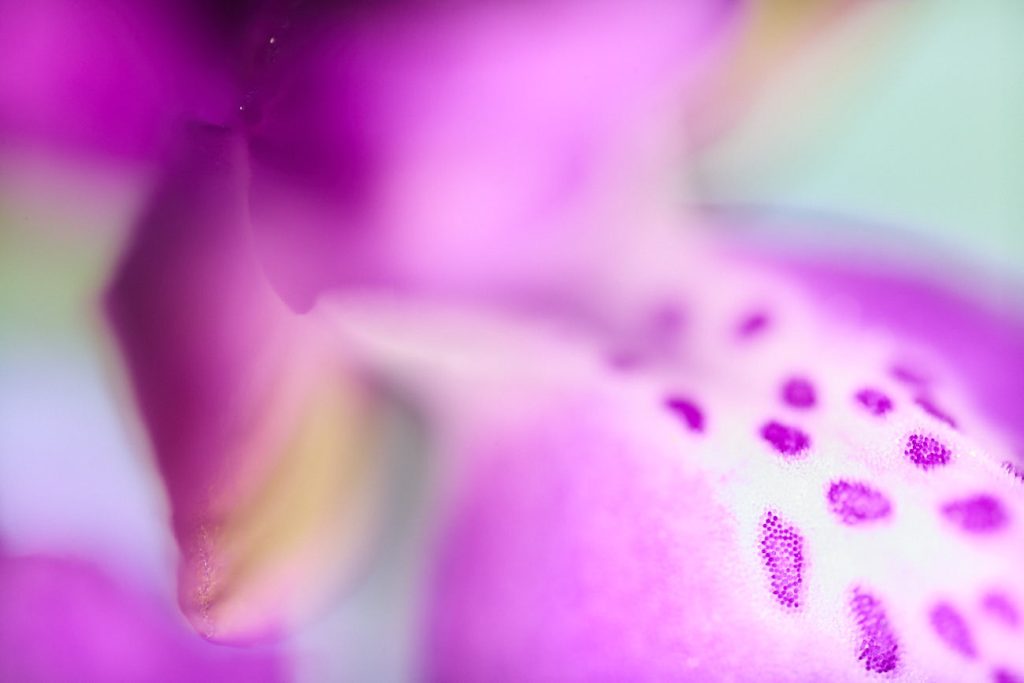
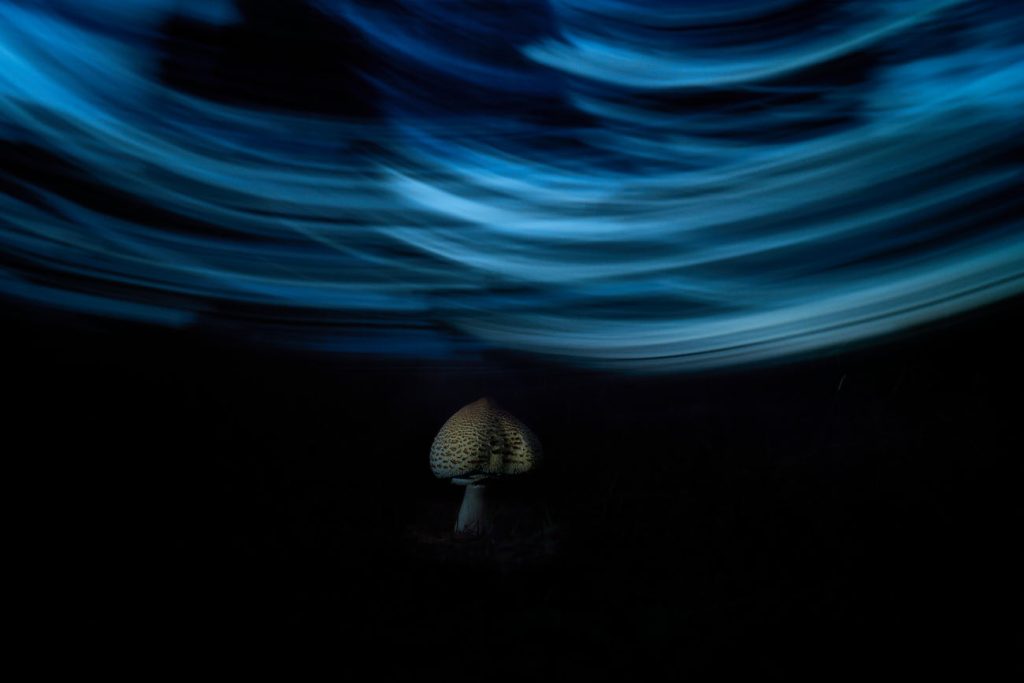
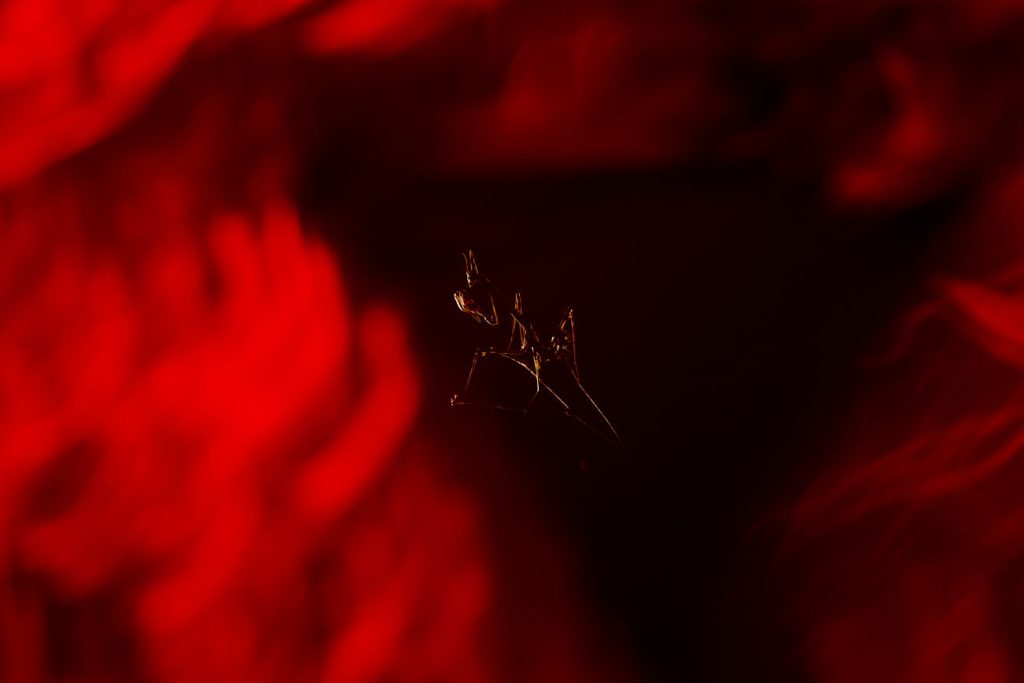
Macrolepiota procera. One single shot. ICM.
This concentration on the task is a form of meditation: sustained attention, sensory experience, and anchoring in the present moment. It’s not about forcing a special state or “emptying the mind,” but about being fully present in what we are doing.
Over time, this way of working leaves its mark. We begin to see our everyday surroundings with new eyes, noticing details that previously went unnoticed. Mindfulness enhances our photography, and conscious macro photography, in turn, strengthens our capacity for attention.
Linking back to the Proust quote that opened the previous blog post, close-up photography reminds us that we don’t need to travel far to discover new landscapes; the extraordinary lies in the quality of our attention.
As always, thank you very much for your time.
Javier Lafuente